
Microbee Tech Team
Reading Time :
12 Minute
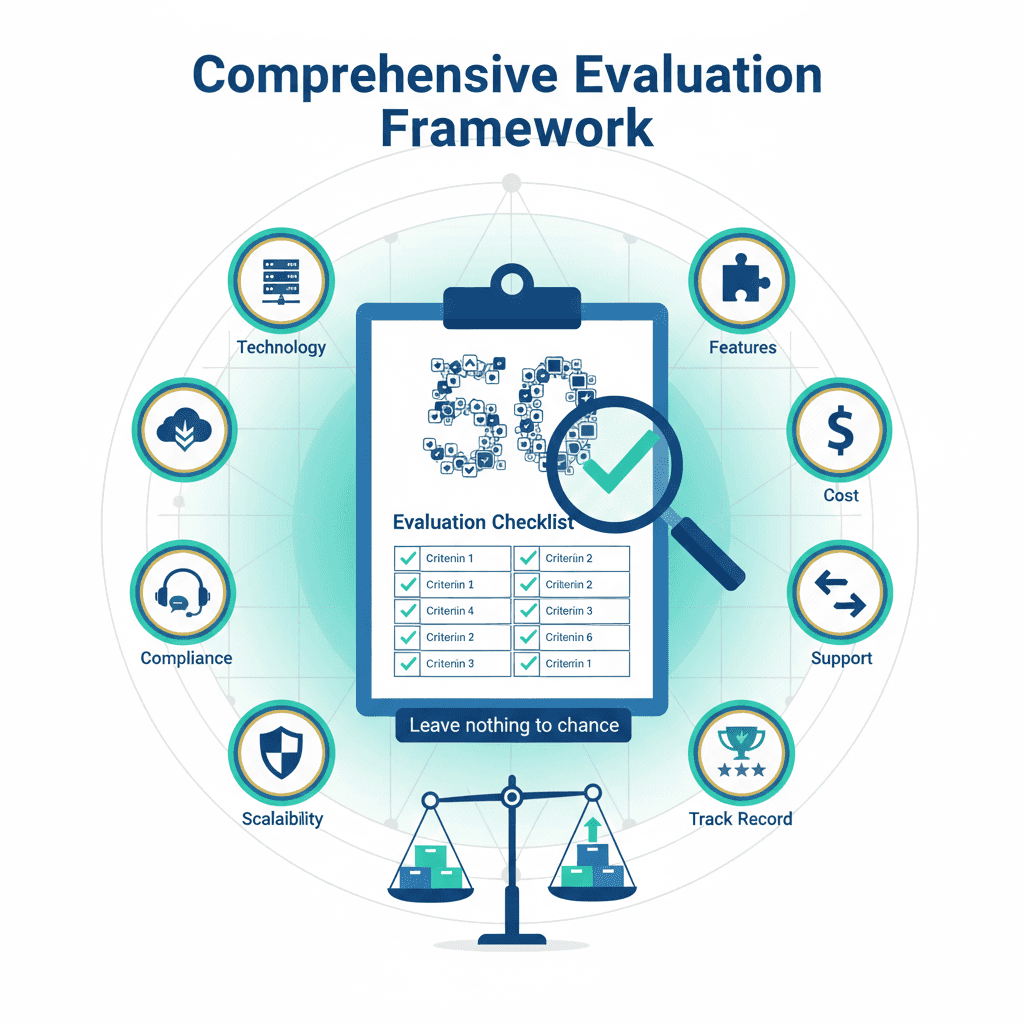
Selecting a gaming platform provider ranks among the most consequential decisions any iGaming operator makes. The right provider becomes a strategic partner enabling growth, innovation, and profitability. The wrong choice creates a ceiling on your operations—constraining features, limiting markets, and ultimately requiring expensive, disruptive migration.
Industry data reveals the stakes: operators who switch providers within the first two years report average migration costs of $250,000 and revenue disruption lasting 6-12 months. These figures don't capture the opportunity costs—the features not launched, markets not entered, and customers not acquired during the transition period.
Yet most operators approach provider selection without systematic evaluation frameworks. Decisions often rely on impressive demos, sales presentations, and surface-level comparisons. Critical factors emerge only after contracts are signed and implementations begin.
This guide provides the systematic evaluation framework your selection process needs. At MicroBee, we've worked with over 300 operators across 50+ jurisdictions since 2014. We've seen what separates successful provider relationships from costly mistakes—and we've distilled those insights into a comprehensive 50-point checklist that covers every dimension of provider evaluation.
How to Evaluate Gaming Platform Providers Systematically
Before diving into the checklist, understanding the evaluation process maximizes its effectiveness.
Phase 1: Requirements Definition (Before Evaluation)
Effective evaluation requires clear requirements. Before assessing any provider, document:
Business Requirements:
Target markets and jurisdictions
Product scope (sportsbook, casino, poker, etc.)
Expected launch timeline
Growth projections (users, revenue, markets)
Differentiation strategy
Technical Requirements:
Integration needs (payment processors, data feeds, third-party tools)
Customization requirements
Performance expectations
Mobile requirements
API needs
Financial Parameters:
Total available budget
Preferred cost structures (upfront vs. revenue share)
Acceptable ongoing cost ranges
ROI expectations
Phase 2: Initial Screening
Use the checklist to screen potential providers before investing time in detailed evaluations. Providers scoring below 60% on initial assessment rarely improve with deeper investigation.
Phase 3: Detailed Evaluation
For providers passing initial screening, conduct comprehensive evaluation including:
Detailed demos customized to your use cases
Reference checks with comparable operators
Technical deep-dives with your development team
Commercial term negotiations
Contract review
Phase 4: Scoring and Comparison
Apply the full 50-point checklist to finalists, gathering evidence for each criterion. Compare aggregate scores while weighting categories based on your specific priorities.
The Complete 50-Point Evaluation Checklist
This checklist evaluates gaming platform providers across seven critical categories. Each item scores 0-2 points:
0 points: Does not meet requirement / significant concerns
1 point: Partially meets requirement / minor concerns
2 points: Fully meets requirement / exceeds expectations
Maximum possible score: 100 points
SECTION A: TECHNOLOGY (10 Items, 20 Points Maximum)
Technology infrastructure determines platform reliability, performance, and future capabilities. Evaluate these criteria thoroughly.
A1. Platform Architecture
Evaluation: Is the platform built on modern, scalable architecture (microservices, cloud-native) or legacy monolithic systems?
Evidence to gather:
Architecture documentation
Technology stack details
Recent architectural improvements
Scoring:
0: Legacy monolithic architecture with no modernization roadmap
1: Hybrid architecture or active modernization underway
2: Modern microservices/cloud-native architecture
A2. API Quality and Documentation
Evaluation: Are APIs well-designed, thoroughly documented, and developer-friendly?
Evidence to gather:
API documentation samples
Developer portal access
SDK availability
Integration guides
Scoring:
0: Poor documentation, limited API functionality
1: Adequate documentation, standard API capabilities
2: Comprehensive documentation, RESTful APIs, SDKs, sandbox environments
A3. System Uptime and Reliability
Evaluation: What is the platform's demonstrated uptime record and reliability guarantees?
Evidence to gather:
Historical uptime statistics (request 24-month data)
SLA terms and compensation provisions
Incident response procedures
Redundancy architecture
Scoring:
0: Uptime below 99.5% or no documented track record
1: 99.5-99.9% uptime with standard SLAs
2: 99.95%+ uptime with strong SLAs and proven track record
A4. Performance and Latency
Evaluation: Does the platform deliver acceptable performance for real-time betting, especially live/in-play wagering?
Evidence to gather:
Latency benchmarks
Load testing results
Performance during peak events
CDN and global delivery infrastructure
Scoring:
0: Latency issues reported, poor peak performance
1: Acceptable performance with occasional issues
2: Consistently low latency (<100ms), proven performance under load
A5. Mobile Technology
Evaluation: How robust are mobile capabilities including native apps, responsive design, and mobile-specific features?
Evidence to gather:
Mobile app demonstrations
App store ratings and reviews
Mobile-specific feature list
Cross-device synchronization
Scoring:
0: Mobile-only responsive web, no native options
1: Adequate mobile experience, basic native apps
2: Excellent native apps, mobile-first design, advanced mobile features
A6. Security Infrastructure
Evaluation: What security measures protect the platform, operator data, and player information?
Evidence to gather:
Security certifications (ISO 27001, SOC 2)
Penetration testing reports
Encryption standards
Security incident history
Scoring:
0: Limited security measures, no certifications
1: Standard security practices, some certifications
2: Comprehensive security program, major certifications, clean incident history
A7. Data Management and Analytics
Evaluation: How effectively does the platform capture, store, and enable analysis of operational data?
Evidence to gather:
Data warehouse capabilities
Reporting tools demonstration
Data export options
Analytics integration capabilities
Scoring:
0: Limited reporting, difficult data access
1: Standard reporting, basic analytics
2: Comprehensive BI tools, data warehouse, advanced analytics capabilities
A8. Integration Capabilities
Evaluation: How easily does the platform integrate with third-party systems (payments, CRM, marketing tools)?
Evidence to gather:
Pre-built integration list
Integration documentation
Webhook capabilities
Custom integration support
Scoring:
0: Limited integrations, difficult custom development
1: Standard integrations available, moderate flexibility
2: Extensive integration library, flexible APIs, strong custom support
A9. Development and Release Cadence
Evaluation: How frequently does the provider release updates, and what is the quality of their development process?
Evidence to gather:
Release history (frequency, content)
Product roadmap
Beta/early access programs
Development methodology
Scoring:
0: Infrequent releases, stagnant development
1: Regular releases, standard development practices
2: Frequent releases, transparent roadmap, agile development, early access programs
A10. Disaster Recovery and Business Continuity
Evaluation: What provisions exist for disaster recovery and business continuity?
Evidence to gather:
DR documentation
RTO/RPO commitments
Geographic redundancy
Backup procedures
DR testing frequency
Scoring:
0: Limited DR provisions, no documented procedures
1: Basic DR capabilities, standard backup procedures
2: Comprehensive DR with geographic redundancy, tested procedures, strong RTO/RPO
SECTION B: FEATURES (10 Items, 20 Points Maximum)
Feature depth and breadth directly impact your ability to compete and differentiate. Evaluate against your specific requirements.
B1. Sports Coverage and Betting Markets
Evaluation: How comprehensive is sports coverage across leagues, events, and bet types?
Evidence to gather:
Complete sport/league list
Bet type availability by sport
Live betting coverage depth
Virtual sports and esports options
Scoring:
0: Limited sports, basic bet types only
1: Good coverage of major sports and leagues
2: Comprehensive global coverage, extensive bet types, strong live betting
B2. Casino Game Portfolio
Evaluation: What is the depth and quality of casino game offerings?
Evidence to gather:
Total game count and provider list
Game aggregator capabilities
Exclusive content availability
New game release frequency
Scoring:
0: Limited games, few providers
1: Adequate portfolio, major providers included
2: Extensive portfolio, multiple aggregators, exclusive content, rapid new releases
B3. Live Casino Capabilities
Evaluation: How robust are live dealer casino offerings?
Evidence to gather:
Live casino provider integrations
Game variety (blackjack, roulette, baccarat, game shows)
Streaming quality
Dedicated table options
Scoring:
0: No live casino or very limited options
1: Basic live casino with standard games
2: Multiple providers, extensive game variety, high-quality streaming, customization options
B4. Bonus and Promotional Tools
Evaluation: How flexible and powerful are bonus management capabilities?
Evidence to gather:
Bonus type variety
Targeting and segmentation options
Wagering requirement flexibility
Campaign management tools
Bonus abuse prevention
Scoring:
0: Basic bonuses only, limited configuration
1: Standard bonus types, moderate flexibility
2: Comprehensive bonus engine, advanced targeting, flexible configuration, abuse prevention
B5. Player Account Management
Evaluation: How comprehensive are player account features and self-service capabilities?
Evidence to gather:
Registration options
Verification processes
Account management features
Transaction history and reporting
Self-service capabilities
Scoring:
0: Basic account features, limited self-service
1: Standard account management, adequate self-service
2: Comprehensive features, excellent self-service, multiple verification options
B6. Risk Management Tools
Evaluation: How sophisticated are risk management capabilities for limiting exposure?
Evidence to gather:
Liability management tools
Player risk profiling
Automated limit systems
Alert and notification capabilities
Trading tools (for sportsbook)
Scoring:
0: Basic limits only, manual risk management
1: Standard risk tools, some automation
2: Advanced risk management, automated systems, sophisticated player profiling
B7. Responsible Gambling Features
Evaluation: How comprehensive are responsible gambling tools and features?
Evidence to gather:
Deposit/loss/wager limits
Self-exclusion capabilities
Reality checks and session limits
Cool-off periods
Player behavior monitoring
Scoring:
0: Minimal RG features, basic compliance only
1: Standard RG tools meeting regulatory minimums
2: Comprehensive RG program, proactive monitoring, exceeds requirements
B8. Payment Processing Options
Evaluation: How extensive and flexible are payment processing capabilities?
Evidence to gather:
Supported payment methods
Cryptocurrency options
Regional payment coverage
Withdrawal processing capabilities
Payment provider integrations
Scoring:
0: Limited payment options, few integrations
1: Standard payment methods, adequate coverage
2: Extensive payment library, crypto support, excellent regional coverage, instant withdrawals
B9. CRM and Player Communication
Evaluation: What CRM and player communication tools are included?
Evidence to gather:
Segmentation capabilities
Communication channels (email, SMS, push)
Automation features
Personalization options
Campaign analytics
Scoring:
0: Basic or no CRM, limited communication options
1: Standard CRM, basic automation
2: Advanced CRM, multi-channel communication, sophisticated automation, personalization
B10. Customization and White-Label Capabilities
Evaluation: How much customization is possible for branding and user experience?
Evidence to gather:
Branding customization depth
UI/UX modification options
Custom feature development
Template variety
Unique feature development process
Scoring:
0: Minimal customization, rigid templates
1: Moderate customization, standard white-label
2: Extensive customization, custom development options, unique feature capabilities
SECTION C: COST STRUCTURE (5 Items, 10 Points Maximum)
Cost evaluation must consider total cost of ownership, not just headline pricing.
C1. Upfront Costs and Transparency
Evaluation: Are all initial costs clearly disclosed without hidden fees?
Evidence to gather:
Detailed cost breakdown
Setup and integration fees
Training costs
Implementation services
Hidden fee history (reference checks)
Scoring:
0: Unclear pricing, hidden fees discovered
1: Generally clear with some ambiguity
2: Complete transparency, all costs documented upfront
C2. Ongoing Fee Structure
Evaluation: Are ongoing costs reasonable and predictable?
Evidence to gather:
Monthly platform fees
Revenue share percentages
Per-transaction fees
Minimum commitments
Fee escalation provisions
Scoring:
0: High fees, unpredictable costs, unfavorable revenue share
1: Market-rate fees, standard structures
2: Competitive fees, favorable terms, predictable costs
C3. Third-Party Cost Management
Evaluation: How does the provider manage third-party costs (data feeds, payment processing)?
Evidence to gather:
Pass-through cost structures
Volume discounts
Alternative provider options
Cost optimization assistance
Scoring:
0: High markups, no cost optimization
1: Reasonable pass-through, standard terms
2: Competitive rates, volume discounts, cost optimization support
C4. Scalability of Costs
Evaluation: How do costs scale with business growth?
Evidence to gather:
Volume discount structures
Revenue share tiers
Cost projections at various scales
Enterprise pricing options
Scoring:
0: Costs scale poorly, limited volume benefits
1: Standard volume discounts, moderate scalability
2: Favorable cost scaling, significant volume benefits, enterprise options
C5. Contract Flexibility
Evaluation: How flexible are contract terms regarding duration, exit, and modifications?
Evidence to gather:
Contract length options
Exit provisions and costs
Amendment procedures
Auto-renewal terms
Scoring:
0: Rigid contracts, punitive exit terms
1: Standard contract terms, moderate flexibility
2: Flexible terms, reasonable exit provisions, operator-friendly amendments
SECTION D: SUPPORT AND SERVICE (10 Items, 20 Points Maximum)
Support quality often determines operational success. Evaluate comprehensively.
D1. Technical Support Availability
Evaluation: Is technical support available 24/7 with appropriate response times?
Evidence to gather:
Support hours and channels
Response time SLAs
Escalation procedures
Weekend/holiday coverage
Scoring:
0: Limited hours, slow response times
1: Extended hours, standard response times
2: True 24/7 support, fast response SLAs, clear escalation
D2. Support Team Quality
Evaluation: Is the support team knowledgeable and effective at resolving issues?
Evidence to gather:
Reference feedback on support quality
Team training and expertise
First-contact resolution rates
Support satisfaction metrics
Scoring:
0: Poorly trained team, frequent escalations required
1: Adequate knowledge, standard effectiveness
2: Expert team, high resolution rates, excellent reputation
D3. Dedicated Account Management
Evaluation: Do operators receive dedicated account managers who understand their business?
Evidence to gather:
Account management structure
Account manager experience
Engagement frequency
Strategic guidance provided
Scoring:
0: No dedicated management, generic support only
1: Shared account management, moderate attention
2: Dedicated experienced account manager, strategic partnership
D4. Implementation Support
Evaluation: How comprehensive is support during platform implementation?
Evidence to gather:
Implementation team structure
Project management methodology
Training programs
Launch support
Post-launch transition
Scoring:
0: Minimal implementation support, self-service heavy
1: Standard implementation assistance
2: Comprehensive implementation team, proven methodology, excellent training
D5. Documentation and Self-Service Resources
Evaluation: Are documentation and self-service resources comprehensive and accessible?
Evidence to gather:
Documentation quality and coverage
Knowledge base availability
Video tutorials
Community forums
Regular updates
Scoring:
0: Poor documentation, limited resources
1: Adequate documentation, basic self-service
2: Excellent documentation, comprehensive resources, regular updates
D6. Training Programs
Evaluation: What training is provided for operator teams?
Evidence to gather:
Initial training scope
Ongoing training availability
Training formats (live, recorded, documentation)
Certification programs
New feature training
Scoring:
0: Minimal training, documentation only
1: Basic training programs
2: Comprehensive training, multiple formats, ongoing education, certifications
D7. Communication and Transparency
Evaluation: How effectively does the provider communicate about issues, updates, and changes?
Evidence to gather:
Incident communication procedures
Release notifications
Roadmap transparency
Regular business reviews
Scoring:
0: Poor communication, surprises common
1: Standard communication, occasional gaps
2: Excellent communication, proactive updates, full transparency
D8. Issue Resolution Process
Evaluation: How effective is the process for resolving issues and bugs?
Evidence to gather:
Bug reporting process
Resolution time benchmarks
Priority classification
Customer input on priorities
Scoring:
0: Slow resolution, unclear processes
1: Standard resolution times, defined processes
2: Fast resolution, clear processes, customer input valued
D9. Customization and Development Support
Evaluation: What support exists for custom development and feature requests?
Evidence to gather:
Custom development capabilities
Feature request process
Development resource availability
Custom project management
Scoring:
0: Limited custom capabilities, long queues
1: Custom development available, standard timelines
2: Strong custom capabilities, responsive development, collaborative approach
D10. Operational Guidance
Evaluation: Does the provider offer strategic guidance beyond technical support?
Evidence to gather:
Industry expertise sharing
Best practices documentation
Benchmarking data
Strategic recommendations
Scoring:
0: Technical support only, no guidance
1: Some operational guidance available
2: Comprehensive guidance, industry expertise, benchmarking, strategic advice
SECTION E: COMPLIANCE AND REGULATION (5 Items, 10 Points Maximum)
Regulatory compliance capabilities protect your operation and enable market access.
E1. Multi-Jurisdiction Licensing Support
Evaluation: Does the platform support licensing requirements across multiple jurisdictions?
Evidence to gather:
Jurisdiction coverage list
Certification status by market
Regulatory documentation
Compliance feature flexibility
Scoring:
0: Limited jurisdiction support
1: Major jurisdictions covered
2: Comprehensive global coverage, extensive certifications, proven multi-market deployments
E2. Regulatory Reporting Capabilities
Evaluation: How robust are regulatory reporting tools and capabilities?
Evidence to gather:
Report types available
Automation level
Customization options
Audit trail capabilities
Scoring:
0: Manual reporting, limited capabilities
1: Standard reporting, some automation
2: Comprehensive automated reporting, audit trails, jurisdiction-specific tools
E3. AML/KYC Integration
Evaluation: How well does the platform integrate AML and KYC requirements?
Evidence to gather:
Verification provider integrations
Automated screening capabilities
Transaction monitoring
Suspicious activity reporting
Scoring:
0: Basic manual KYC only
1: Standard verification integrations
2: Advanced verification, automated AML monitoring, comprehensive screening
E4. Responsible Gambling Compliance
Evaluation: Does the platform meet responsible gambling requirements across target jurisdictions?
Evidence to gather:
RG feature coverage by jurisdiction
Affordability check capabilities
Intervention tools
Self-exclusion database integrations
Scoring:
0: Minimal RG compliance features
1: Meets regulatory minimums
2: Exceeds requirements, proactive tools, national database integrations
E5. Data Protection and Privacy
Evaluation: Does the platform comply with data protection regulations (GDPR, etc.)?
Evidence to gather:
GDPR compliance documentation
Data processing agreements
Data subject rights tools
Privacy by design implementation
Scoring:
0: Limited privacy compliance, concerns present
1: Basic compliance with major regulations
2: Comprehensive privacy program, strong compliance, data subject tools
SECTION F: SCALABILITY AND GROWTH (5 Items, 10 Points Maximum)
Scalability determines whether your platform can grow with your business.
F1. Technical Scalability
Evaluation: Can the platform handle significant user and transaction growth?
Evidence to gather:
Maximum concurrent user capacity
Transaction processing limits
Load testing results
Scaling methodology
Scoring:
0: Limited scalability, capacity concerns
1: Adequate for moderate growth
2: Proven high scalability, elastic infrastructure, no practical limits
F2. Geographic Expansion Support
Evaluation: How well does the platform support expansion to new markets?
Evidence to gather:
Multi-language capabilities
Multi-currency support
Regional payment integration
Localization tools
Scoring:
0: Single-market focus, limited expansion support
1: Multi-market capable with effort
2: Comprehensive internationalization, easy market expansion, localization tools
F3. Product Expansion Capabilities
Evaluation: Can you add new products (casino, poker, etc.) without migration?
Evidence to gather:
Available product modules
Integration complexity
Cross-product features
Unified wallet capabilities
Scoring:
0: Single product, expansion requires migration
1: Additional products available, moderate integration
2: Comprehensive product suite, seamless addition, unified experience
F4. Partner and Integration Ecosystem
Evaluation: Is there a robust ecosystem of partners and integrations?
Evidence to gather:
Partner network size
Integration marketplace
Affiliate system capabilities
Third-party tool ecosystem
Scoring:
0: Limited partner ecosystem
1: Standard integrations, moderate partner network
2: Extensive ecosystem, marketplace, comprehensive partnerships
F5. Innovation and Future-Proofing
Evaluation: Is the provider investing in innovation and future capabilities?
Evidence to gather:
R&D investment
Innovation track record
Emerging technology adoption
Industry leadership position
Scoring:
0: Limited innovation, falling behind market
1: Standard development, keeping pace
2: Innovation leader, ahead of market, strong R&D investment
SECTION G: TRACK RECORD AND STABILITY (5 Items, 10 Points Maximum)
Provider stability and track record indicate future reliability.
G1. Operational History
Evaluation: How long has the provider operated and what is their track record?
Evidence to gather:
Years in operation
Growth trajectory
Major incidents history
Industry reputation
Scoring:
0: Less than 3 years, limited track record
1: 3-7 years, stable operation
2: 7+ years, excellent reputation, consistent performance
G2. Client Portfolio Quality
Evaluation: What is the quality and size of the current client portfolio?
Evidence to gather:
Number of active clients
Client quality and diversity
Reference availability
Notable client names
Scoring:
0: Few clients, limited references
1: Adequate client base, references available
2: Extensive quality client portfolio, strong references, diverse operators
G3. Financial Stability
Evaluation: Is the provider financially stable and well-capitalized?
Evidence to gather:
Financial backing/ownership
Revenue trends
Investment history
Financial transparency
Scoring:
0: Financial concerns, limited transparency
1: Apparently stable, limited visibility
2: Strong financial position, transparent, well-capitalized
G4. Client Retention
Evaluation: Do operators stay with this provider long-term?
Evidence to gather:
Retention rate data
Average client tenure
Churn reasons (from references)
Renewal rates
Scoring:
0: High churn, retention concerns
1: Average retention, some churn
2: High retention, long-term relationships, low churn
G5. Industry Recognition
Evaluation: Is the provider recognized by the industry for quality?
Evidence to gather:
Industry awards
Analyst recognition
Media coverage
Conference presence
Scoring:
0: Limited recognition
1: Some industry presence
2: Well-recognized, award-winning, industry leader status
Scoring Guide and Interpretation
Calculating Your Score
After evaluating all 50 criteria, calculate scores by section and total:
Section | Maximum Points | Your Score |
A. Technology | 20 | ___ |
B. Features | 20 | ___ |
C. Cost Structure | 10 | ___ |
D. Support & Service | 20 | ___ |
E. Compliance | 10 | ___ |
F. Scalability | 10 | ___ |
G. Track Record | 10 | ___ |
TOTAL | 100 | ___ |
Score Interpretation
90-100 Points: Excellent Provider Top-tier providers meeting or exceeding requirements across all dimensions. These providers represent strategic partnerships likely to support long-term success. Proceed with confidence while negotiating favorable terms.
80-89 Points: Strong Provider Solid providers with minor gaps or concerns. Identify specific weaknesses and evaluate whether they impact your particular requirements. These providers typically deliver successful implementations with appropriate expectations management.
70-79 Points: Adequate Provider Providers meeting basic requirements but showing meaningful gaps. Carefully evaluate whether gaps align with your priorities. May be appropriate for budget-constrained situations or specific use cases where gaps don't apply.
60-69 Points: Marginal Provider Significant concerns exist across multiple dimensions. Proceed only if specific circumstances justify accepting limitations. Higher risk of implementation challenges and potential migration needs.
Below 60 Points: Not Recommended Too many gaps for confident recommendation. Either critical requirements are unmet or cumulative weaknesses create unacceptable risk. Consider alternative providers.
Weighting for Your Priorities
Not all categories matter equally for every operator. Apply weightings based on your specific priorities:
Startup operators may weight Cost (2x) and Support (1.5x) higher Enterprise operators may weight Technology (1.5x) and Scalability (2x) higher Compliance-focused operators may weight Compliance (2x) and Track Record (1.5x) higher
Recalculate weighted scores if standard weights don't reflect your priorities.
Red Flags to Watch For
Beyond scoring, certain warning signs warrant serious concern regardless of overall scores:
Critical Red Flags (Reconsider Provider)
Financial instability indicators: Recent layoffs, funding difficulties, ownership changes, or key personnel departures suggest potential sustainability issues.
Regulatory problems: License revocations, regulatory fines, or ongoing investigations indicate compliance risks that may affect your operation.
Reference refusal: Providers unwilling to provide relevant references may be hiding dissatisfied clients or failed implementations.
Unrealistic promises: Timelines, costs, or capabilities significantly better than competitors often indicate inexperience or deception.
Contract pressure: High-pressure sales tactics, artificial urgency, or resistance to contract negotiations suggest problematic business practices.
Serious Concerns (Investigate Thoroughly)
Support complaints pattern: Multiple references reporting similar support issues indicate systemic problems.
Implementation delays history: Providers with patterns of delayed implementations rarely improve.
Hidden fees reputation: References reporting unexpected costs after contract signing indicate transparency issues.
Technology debt indicators: Outdated interfaces, slow feature development, or declining performance suggest technical limitations.
Key client losses: Recent departures of significant clients warrant investigation into causes.
Monitor Closely
Rapid growth strain: Fast-growing providers sometimes sacrifice quality for growth.
Recent major changes: New ownership, leadership changes, or strategic shifts may impact service quality.
Limited market experience: Providers new to your target markets may underestimate requirements.
Questions to Ask in Provider Demos
Demos often showcase best-case scenarios. These questions reveal operational reality:
Technology Questions
"Can you demonstrate the platform under load conditions similar to our peak projections?"
"What was your most significant outage in the past 24 months, and how did you respond?"
"Show me the actual API documentation your clients use—not marketing materials."
"How would our developers integrate a custom third-party tool you don't currently support?"
"What percentage of your development resources focus on maintenance versus new features?"
Operational Questions
"Walk me through exactly what happens when we submit a support ticket at 3 AM on a Saturday."
"What does your average client implementation timeline actually look like, including delays?"
"Show me reporting from a real client operation—anonymized but actual data."
"What features have clients requested that you decided not to build? Why?"
"How do you handle a situation where a client's customization request conflicts with your roadmap?"
Commercial Questions
"What costs have clients been surprised by after signing that weren't in the initial proposal?"
"Under what circumstances have clients exited contracts early, and what did that cost them?"
"How have your pricing structures changed for existing clients over the past three years?"
"What happens to our data and operations if we decide to switch providers?"
"Can you share reference clients who operate in our specific target market?"
Strategic Questions
"What is your company's financial position, and how is growth funded?"
"Where do you see the platform in three years, and what investment supports that vision?"
"What regulatory developments concern you most, and how are you preparing?"
"Which competitor do you most respect, and what do they do better than you?"
"If we become one of your largest clients, how would that change our relationship?"
Reference Check Guide
Reference checks reveal realities that demos and contracts cannot. Conduct them systematically:
Selecting References
Request specific references: Ask for clients matching your profile (size, market, product mix) rather than accepting provider-selected showcases.
Seek independent references: Use industry contacts to identify clients the provider didn't offer—they often provide more candid feedback.
Talk to departed clients: If possible, understand why former clients left and what they'd do differently.
Reference Check Questions
Implementation Experience:
"How did actual implementation compare to the projected timeline and cost?"
"What was the most challenging aspect of getting operational?"
"What would you do differently in the implementation process?"
Operational Reality:
"How would you rate day-to-day platform reliability?"
"Describe your most frustrating support experience and how it was resolved."
"What features did you expect to have that proved problematic or unavailable?"
Commercial Relationship:
"Have you experienced any unexpected costs or fee changes?"
"How responsive is the provider to commercial negotiation?"
"Do you feel you're getting value for what you pay?"
Overall Assessment:
"Would you choose this provider again knowing what you know now?"
"What should we watch out for that isn't obvious from sales presentations?"
"How has the relationship changed since you signed the initial contract?"
Contract Negotiation Tips
Armed with evaluation insights, negotiate contracts protecting your interests:
Key Contract Provisions
Performance SLAs: Specify uptime requirements, response times, and latency standards with meaningful remedies (service credits, termination rights) for failures.
Implementation guarantees: Tie payments to implementation milestones with clear acceptance criteria. Include remedies for delays caused by provider.
Cost caps and transparency: Cap fee increases, require advance notice of pricing changes, and prohibit hidden fees not disclosed in the agreement.
Exit provisions: Ensure reasonable exit rights including data portability, transition assistance, and capped termination fees.
Data ownership: Clarify that you own all player data and can export it in usable formats at any time.
Negotiation Strategies
Multiple finalists: Never negotiate with only one provider. Competition creates leverage.
Reference leverage: Use reference feedback to negotiate improvements on identified concerns.
Phased commitments: Shorter initial terms with renewal options provide flexibility while demonstrating commitment.
Success alignment: Negotiate revenue share structures that align provider success with your success.
Future flexibility: Build in provisions for adding markets, products, or features without renegotiating entire agreements.
Common Negotiation Wins
Reduced or eliminated setup fees
Lower revenue share percentages or caps
Shorter initial contract terms
Improved SLA credits
Free training or implementation support
Price protection provisions
More favorable exit terms
Why MicroBee Scores 92/100
At MicroBee, we developed this checklist based on what operators actually need—because we're committed to meeting those standards ourselves. Here's how we score against our own framework:
Section Scores
Section | Score | Notes |
A. Technology | 18/20 | Modern architecture, proven reliability, excellent APIs |
B. Features | 18/20 | Comprehensive sportsbook, casino, virtual sports |
C. Cost Structure | 9/10 | Transparent pricing, startup-friendly terms |
D. Support & Service | 19/20 | 24/7 support, dedicated account management |
E. Compliance | 9/10 | 50+ jurisdictions, comprehensive tools |
F. Scalability | 9/10 | Proven scale, multi-market support |
G. Track Record | 10/10 | 10+ years, 300+ clients, strong retention |
TOTAL | 92/100 |
Our Competitive Advantages
Implementation speed: Our 2-4 week standard implementation dramatically outperforms industry averages of 8-12 weeks—getting operators to revenue faster.
Proven track record: Operating since 2014 with 300+ operators across 50+ jurisdictions provides demonstrated stability and expertise.
Startup-friendly approach: Flexible payment structures and dedicated startup support programs enable new operators to launch successfully.
Comprehensive compliance: Extensive regulatory experience across global markets simplifies licensing and compliance requirements.
True partnership: We succeed when our operators succeed—our business model aligns incentives for long-term partnership.
Where We're Honest About Limitations
We score ourselves 92, not 100, because honest self-assessment matters:
Some specialized niche features may require custom development
We're not the absolute lowest-cost option (but deliver strong value)
Certain emerging markets where we're building presence
We'd rather operators understand our honest capabilities than oversell and underdeliver.
Taking the Next Step
This checklist provides the framework for systematic provider evaluation. The difference between successful and struggling operators often traces back to provider selection—make this decision with the rigor it deserves.
Download the Complete Checklist
Download Complete Checklist — Get the full 50-point checklist in spreadsheet format for systematic provider comparison.
Get Your Provider Scorecard
Get Provider Scorecard — Request MicroBee's detailed scorecard showing exactly how we perform against each criterion with supporting evidence.
Schedule an Evaluation
Schedule Provider Evaluation — Let us walk you through how MicroBee meets your specific requirements with a customized demonstration.
Explore Our Solutions
View Our Platform Solutions — Learn more about MicroBee's sportsbook, casino, and virtual sports platforms.
The right gaming platform provider becomes a strategic asset enabling your success. The wrong choice creates constraints you'll fight against for years. Use this checklist to make the decision that positions your operation for long-term success.
MicroBee has provided B2B gaming solutions since 2014, serving 300+ operators across 50+ jurisdictions. Our comprehensive platform powers successful betting operations from startup launches to established industry leaders. Contact our team to discuss how we can support your operation.